

Easy Korean Dumpling Recipe At Home
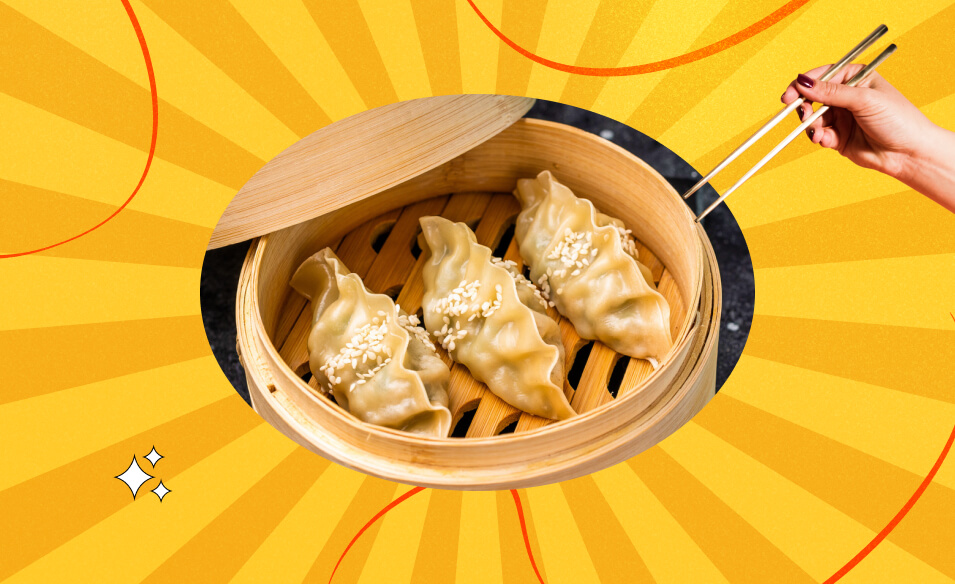
Table Of Content
- What Is The Origin Of The Korean Mandu?
- Why Should You Use This Recipe To Make Korean Dumplings At Home?
- 1. Cultural Accuracy
- 2. Balanced Ingredients
- 3. Practical Techniques from Experts
- 4. Versatility Across Cooking Methods
- What Are The Ingredients You’ll Need To Make Korean Mandu At Home?
- All You Will Need For the filling:
- All You Will Need For The Wraps:
- All You Will Need For The Dipping Sauce:
- The Step-by-Step Instructions To Make Korean Dumplings At Home:
- 1. Prepare the filling
- 2. Assemble the dumplings
- 3. Cooking options
- 4. Serve
- What Are The Different Variations Of The Korean Mandu You Must Try?
- Does Korean Dumpling (Mandu) Have Any Nutritional Value?
- What Are Some Extra But Helpful Tips for First-Time Cooks?
- Why Korean Dumplings Appeal Globally?
- Easy Korean Dumpling Recipe At Home Explained
Okay guys! I finally did it! I made Korean Dumplings at home, and it was a success!
When I was making Korean dumplings, or mandu, at home, I felt a mix of excitement and nerves.
The thought of folding those little pockets of goodness by hand seemed a bit daunting.
But, without thinking too much, I dove in. Then, I realized it was all about practice rather than perfection.
As I shaped each dumpling, I could feel my confidence growing. Guess what? The reward at the end was absolutely worth it!
I made myself a beautiful plate of crispy, juicy dumplings. They tasted just like the ones I’d enjoyed at my favorite Korean restaurant.
What I love most about mandu is its versatility. You can
- Steam them
- Pan-fry them
- Boil them
- Toss them into soups
They really are the perfect comfort food for any season.
And beyond just being a delicious snack, Korean dumplings hold a special place in the country’s culinary heritage, connecting me to a rich culture and tradition with every bite.
What Is The Origin Of The Korean Mandu?

According to the Korea Tourism Organisation, mandu were introduced to Korea during the Goryeo Dynasty.
It grew through interactions with Mongolian and Chinese cuisine. But over the centuries, they developed their own Korean identity.
Today, they are a staple at New Year’s celebrations. Additionally, they are a year-round favourite street food.
In this article, I’ll walk you through a simple recipe for making Korean dumplings at home, along with practical tips and cultural context that make this dish truly special.
Why Should You Use This Recipe To Make Korean Dumplings At Home?
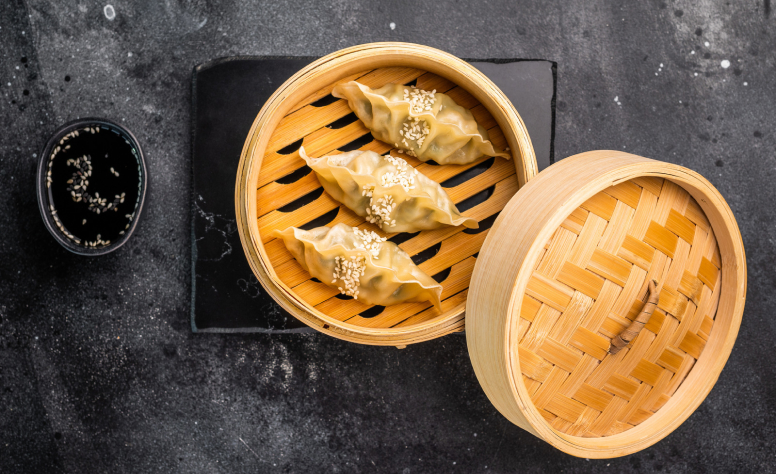
This dumpling recipe works because it balances tradition, accessibility, and flavour:
1. Cultural Accuracy
Food historians note that mandu fillings traditionally vary by region in Korea.
For example, North Korean versions often feature more tofu and glass noodles, while southern regions lean on pork and kimchi.
Also, I generally incorporate both pork and kimchi in this recipe. Now, this reflects one of the most popular, authentic variations.
Also, it is approachable for home cooks.
2. Balanced Ingredients
According to Hyosun Ro of Korean Bapsang, you must use a mix of finely chopped kimchi and ground pork.
Additionally, you must also add tofu, garlic, and scallions. This creates a dumpling that is both juicy and flavorful.
The tofu lightens the texture, while kimchi adds acidity and depth.
These tested combinations are why this recipe consistently delivers satisfying results.
3. Practical Techniques from Experts
You guys know how much I follow Maangchi. She explains that you have to squeeze moisture out of the kimchi before mixing it into the filling.
This helps you to prevent soggy dumplings.
I often use techniques like this. I draw these from trusted Korean cooks.
Now, I have listed who is included in this recipe. This is to ensure beginners avoid common mistakes.
4. Versatility Across Cooking Methods
According to the Korean Food Promotion Institute, mandu can be steamed and pan-fried. Also, you can boil or serve in broth (mandu-guk).
This recipe is designed to work across all these methods. So, it is giving readers flexibility depending on their kitchen setup.
I have curated this recipe by incorporating cultural history. I have also added proven techniques and practical tips.
So, you can confidently use this guide to ensure success for first-time dumpling makers.
What Are The Ingredients You’ll Need To Make Korean Mandu At Home?
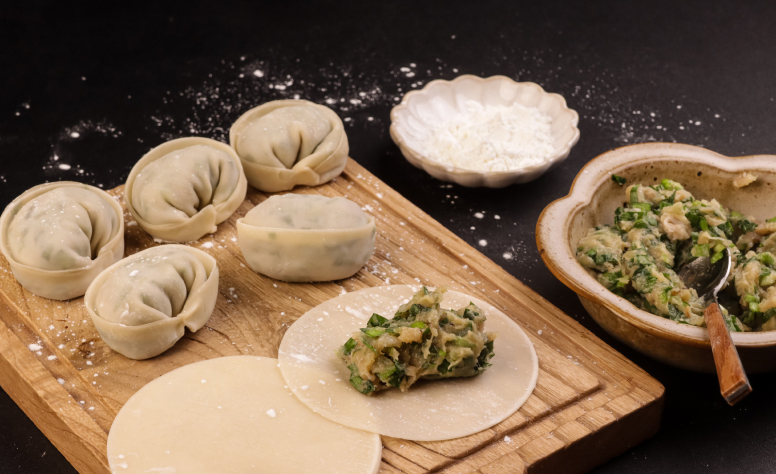
All You Will Need For the filling:
- 2 cups finely chopped kimchi (squeezed of excess liquid)
- 200 g ground pork (or chicken for a lighter option)
- 100 g firm tofu, crumbled and pressed
- 2 scallions, finely chopped
- 2 cloves garlic, minced
- 1 teaspoon sesame oil
- 1 teaspoon soy sauce
- ½ teaspoon black pepper
All You Will Need For The Wraps:
- Dumpling wrappers. This is now available in most Asian stores. You can get it in either round or square. Both work.
- Small bowl of water (for sealing edges)
All You Will Need For The Dipping Sauce:
- 2 tablespoons soy sauce
- 1 tablespoon rice vinegar
- ½ teaspoon sesame seeds
- A pinch of gochugaru (Korean chilli flakes) for heat
The Step-by-Step Instructions To Make Korean Dumplings At Home:
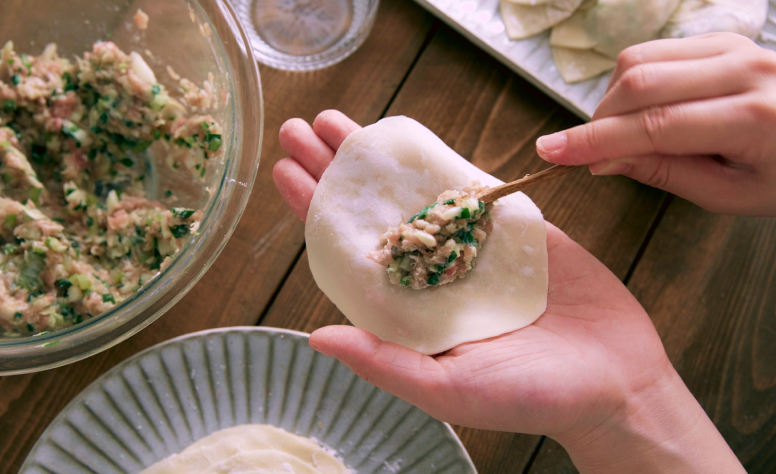
Here, I will explain to you all the little steps, one by one, on how to make Korean dumplings or Mandu right at home.
1. Prepare the filling
Chop the kimchi finely and squeeze out excess liquid with your hands or a paper towel. This step is crucial to avoid watery dumplings.
In a large bowl, combine kimchi, ground pork, tofu, scallions, garlic, sesame oil, soy sauce, and black pepper. Mix until well combined.
2. Assemble the dumplings
Place one wrapper on your palm. Add about one teaspoon of filling in the centre.
Dip your finger in water and run it along the edge of the wrapper.
Fold into a half-moon shape and pinch tightly, or pleat for a traditional look.
3. Cooking options
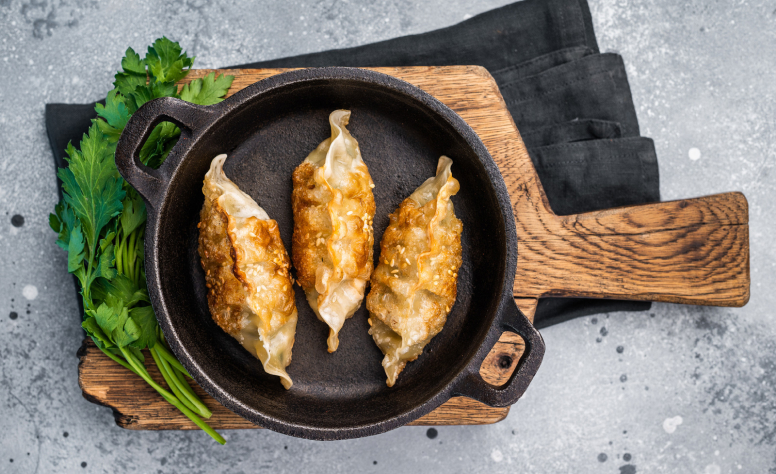
- Pan-fried (Gun Mandu): This is quite easy, and it is one of my favorites. You have to heat oil in a non-stick pan.
Then, you have to place the dumplings flat side down and cook until golden brown.
Lastly, you need to add a splash of water, cover, and steam for 2–3 minutes.
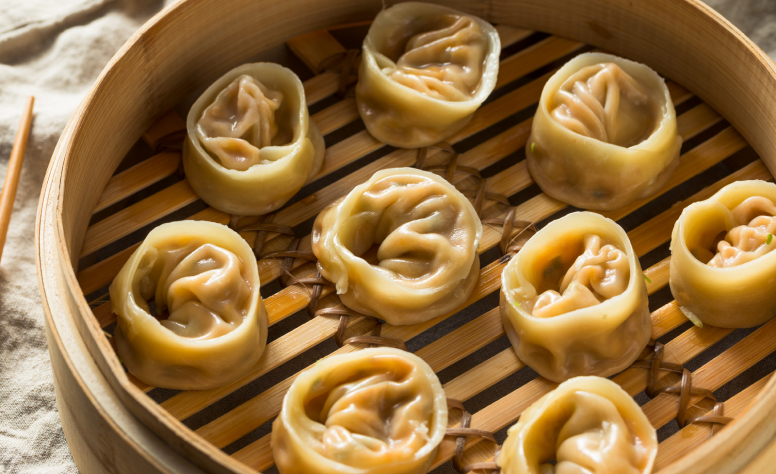
- Steamed (Jjin Mandu): This one is quite easy as well. Firstly, you need to place dumplings in a steamer lined with parchment paper. Then, just steam for 10 minutes.
- Boiled (Mul Mandu): You have to drop dumplings into boiling water and cook until they float, about 5 minutes. This is the simplest one!
- Soup (Mandu-guk): For this, you have to add dumplings to a beef or anchovy broth. My Korean friends often enjoy this during the Korean New Year.
4. Serve
Serve hot with dipping sauce. Garnish with extra scallions or sesame seeds for presentation.
What Are The Different Variations Of The Korean Mandu You Must Try?
Vegetarian Mandu: Replace pork with mushrooms and glass noodles (dangmyeon), as often done in Buddhist temple cuisine.
Seafood Mandu: Mix shrimp or squid into the filling, a style popular in coastal regions like Busan.
Cheese Mandu: A modern twist that has become trendy among younger Koreans, with mozzarella adding a gooey texture.
Does Korean Dumpling (Mandu) Have Any Nutritional Value?
Mandu are relatively balanced: protein from pork and tofu, probiotics from kimchi, and vitamins from vegetables.
However, store-bought wrappers and frying can increase sodium and calories.
Steaming or boiling is a lighter option, as pointed out by nutrition experts writing for The Korea Times.
What Are Some Extra But Helpful Tips for First-Time Cooks?
- Don’t overfill the dumplings. Too much filling makes them burst while cooking.
- Keep wrappers covered with a damp towel to prevent drying out.
- Freeze uncooked dumplings on a tray, then transfer to a bag. They cook perfectly straight from the freezer. This makes them a convenient meal prep option.
Why Korean Dumplings Appeal Globally?
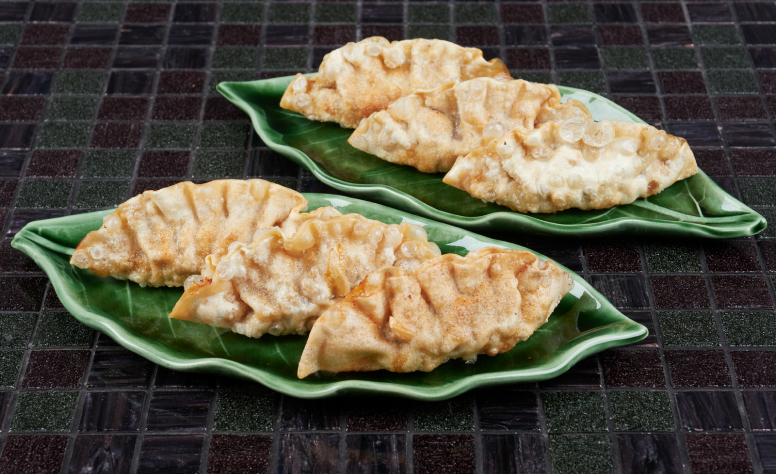
With the global popularity of K-pop and K-dramas, foods like mandu have become cultural ambassadors.
According to the Korean Food Promotion Institute, international demand for frozen dumplings has surged, making them available in supermarkets across India, the US, and Europe.
Their versatility and comforting taste make them accessible even to those new to Korean cuisine.
Easy Korean Dumpling Recipe At Home Explained
Making Korean dumplings at home may sound like a challenge, but once you try it, you’ll realise how rewarding and approachable it is.
Each fold connects you to a centuries-old culinary tradition, while each bite offers the warmth of comfort food.
Whether you enjoy them crispy from a pan or soft in a hot broth, mandu bring a taste of Korea straight to your kitchen.
If you’re looking for a first recipe to start your journey into Korean cooking, this is one that truly delivers.
Share This Article:


RELATED POST