


The Ultimate Guide To Korean Tandoori Chicken: The New ‘Marry-Me’ Starter
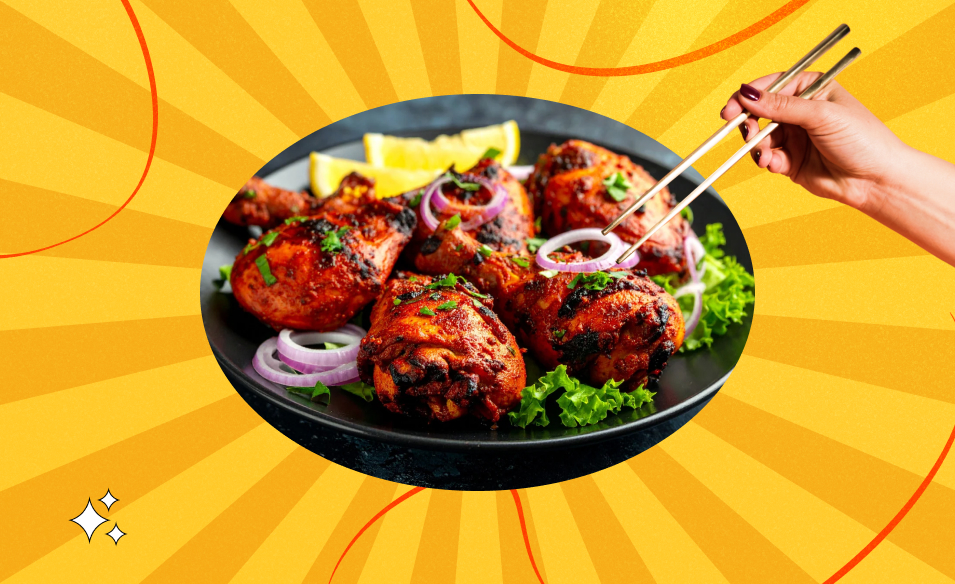
Table Of Content
- What Makes Korean Tandoori Chicken A Unique Dish?
- What Are The Key Ingredients For Korean Tandoori Chicken?
- What Is The Role of Gochujang in Korean Tandoori Chicken?
- What Is The Importance of Tandoori Masala In The Marinade?
- How to Make Korean Tandoori Chicken (Step-by-Step Recipe)
- 1. Preparing the Marinade
- 2. Marinating the Chicken
- 3. Cooking the Chicken
- Serving Suggestions and Pairings
- Variations of Korean Tandoori Chicken
- What Are The Nutritional Information and Health Benefits Of Korean Tandoori Chicken?
- Cultural Significance Of Fusion Recipes
- Frequently Asked Questions (FAQs)
I have been to many interfaith marriages in my life, and I particularly call them ‘Fusion Marriages’. I see them as a beautiful fusion of different cultures and traditions, hence the name.
But can you guess what’s the best fusion marriage I have been to?
The Marriage between Korean flavours and the colourful Tandoori Chicken. Trust me, it is a flavorful marriage between two rich culinary worlds.
I LOVE the smoky, spice-laden charm of Indian tandoori chicken. And this is not news to you guys that I also LOVE the sweet heat of Korean gochujang-based marinades.
So, I stan this! This dish represents the beauty of fusion cooking. Here, distinct traditions meet on one plate.
Korean Tandoori Chicken brings together the depth of Indian spices with the bold, umami-packed flavor of Korean sauces. So, you can create something unforgettable for spice lovers around the world.
As global palates become more adventurous, fusion dishes like this one have become a celebration of shared food culture and innovation.
What Makes Korean Tandoori Chicken A Unique Dish?

I loved the Korean tandoori chicken. But, it also made me wonder, apart from taste, what truly sets Korean Tandoori Chicken apart?
Don’t worry, I have the answer for you as well. I believe it is the way it harmonizes two cooking philosophies.
From India, it borrows the method of marinating chicken in yogurt and spices. You apply it before roasting it over high heat for that signature smoky flavor.
From Korea, it borrows gochujang. Of course, we are well aware that this is the OG fermented red chili paste! It delivers layers of:
- Spice
- Sweetness
- Tang
The result is chicken that’s tender inside, slightly charred outside. Additionally, you can coat it in a sauce that’s complex yet comforting.
It is nothing like the traditional tandoori dishes. This recipe adds the deep umami and fermented note typical of Korean cuisine.
Each bite tells a story of cultural exchange. I find it to be a warm balance of spice, smoke, and savoriness.
Guess what’s better? It appeals to modern taste buds. This is because we are looking for something both familiar and fresh.
What Are The Key Ingredients For Korean Tandoori Chicken?
Okay! Now I will teach you how to create the Korean Tandoori Chicken. Spoiler alert! It requires a thoughtful mix of ingredients.
These ingredients bridge the two cuisines. Each plays a specific role in achieving the final texture and flavor balance.
- Chicken: I use both the bone-in and boneless pieces. Though I feel like thighs and drumsticks are the most flavorful due to their juiciness and tenderness.
- Yogurt: I definitely use this because it acts as a natural tenderizer. Basically, it softens the meat. Additionally, it lends a creamy base for the spices to adhere to.
- Tandoori Masala: This Indian spice blend brings warmth. It is a mixture of cumin, coriander, paprika, and garam masala.
- Gochujang: The heart of Korean flavor. It is spicy, slightly sweet, and fermented. Also, it deepens the marinade and provides a glossy red hue.
- Garlic and Ginger: Every Asian knows about it. These are essential aromatics. These will give the chicken its earthy foundation.
- Lemon Juice or Rice Vinegar: These balance the heat with brightness. Additionally, they ensure every bite tastes lively.
- Sesame Oil: It adds a subtle nutty undertone. This is one of the prime characteristics of Korean dishes.
Wait! Good news. You can customize these ingredients, depending on spice tolerance or regional availability.
For instance, gochugaru (Korean red chili flakes) can intensify the heat, while honey or brown sugar can tone it down for a milder finish.
What Is The Role of Gochujang in Korean Tandoori Chicken?

Gochujang is more than a chili paste. It’s a cornerstone of Korean cuisine that adds complexity far beyond heat.
Now, the fun part. When you incorporate gochujang into a tandoori-style marinade, it transforms the flavor profile completely.
According to BBC Good Food, gochujang’s fermentation process creates a layered taste. This enhances both meat and vegetables. Additionally, it is perfect for global fusion recipes.
In Korean Tandoori Chicken, it fuses beautifully with yogurt and tandoori masala.
Also, it creates a sauce that caramelizes under heat. So, it forms a delicious crust that’s:
- Spicy
- Tangy
- Slightly smoky
What Is The Importance of Tandoori Masala In The Marinade?
Tandoori masala, on the other hand, brings the Indian touch that gives the dish its soul.
Traditional blends include cumin, coriander, turmeric, cinnamon, black pepper, and chili powder spices that have defined North Indian cooking for centuries.
As Serious Eats explains, the magic of tandoori does not only lie in the spices. Yes! It also lies in the way the marination process interacts with heat.
Additionally, it locks in moisture while allowing the surface to char slightly.
So, you can guess that when these spices meet gochujang, they produce an unforgettable combination.
The earthiness of cumin balances the tangy sweetness of the Korean paste. On top of that, the chili powder enhances the overall spice level.
It’s a fusion that feels natural and complementary rather than forced, demonstrating how two distinct cuisines can coexist in perfect flavor harmony.
How to Make Korean Tandoori Chicken (Step-by-Step Recipe)

Bringing this fusion dish to life is easier than it looks. Whether you’re a seasoned cook or trying fusion food for the first time, this recipe ensures authentic taste with a creative twist. Here’s a detailed step-by-step guide.
1. Preparing the Marinade
Start with the base that defines the entire flavor profile. In a large bowl, combine:
- 1 cup of thick yogurt
- 2 tablespoons gochujang
- Tandoori masala, 1 tablespoon
- Garlic paste, 1 tablespoon
- Ginger paste, 1 tablespoon
- Sesame oil, 1 tablespoon
- 1 tablespoon lemon juice
- A pinch of salt and black pepper
Mix until smooth and creamy. The yogurt ensures the chicken remains moist while roasting, and the gochujang introduces that signature Korean warmth.
The blend should taste balanced, spicy but not overwhelming, tangy but not sour. Adjust the ratio depending on your preference.
Tip: If you want an extra smoky aroma, add a small dash of smoked paprika or use a drop of liquid smoke for a grill-like touch indoors.
2. Marinating the Chicken
Add the cleaned chicken pieces to the marinade, coating them thoroughly. Massage the mixture into the meat so the flavors penetrate deep.
Ideally, refrigerate the chicken for at least 6 hours or overnight for the best results. The longer it sits, the more intense and tender it becomes.
According to Bon Appétit, marinating proteins in yogurt not only enhances flavor but also ensures a juicier texture, thanks to lactic acid breaking down muscle fibers gently.
This makes the dish succulent, with flavors that seep right to the bone.
3. Cooking the Chicken
There are several ways to cook Korean Tandoori Chicken depending on your tools and preferences.
- Grilling:
Preheat your grill and cook the marinated chicken on medium-high heat, turning occasionally, until it’s evenly charred and cooked through.
- Oven-Baking:
Place the chicken on a baking tray lined with foil. Bake at 200°C (400°F) for 25 to 30 minutes, flipping halfway for even browning.
- Traditional Tandoor (if available):
Cook for about 15 minutes until the edges char slightly and the internal temperature reaches 75°C (165°F).
For an authentic touch, brush the chicken with melted butter or sesame oil midway through cooking.
This enhances the sheen and keeps the surface crisp without drying the inside. Once done, let it rest for 5 minutes before serving to allow the juices to redistribute.
Serving Suggestions and Pairings

Korean Tandoori Chicken shines best when served with sides that balance its boldness.
You can pair it with fluffy basmati rice, freshly baked naan, or a light Korean-style cucumber salad known as oi muchim.
The cool crunch of cucumber mixed with sesame oil and vinegar offsets the spice beautifully.
For a more filling meal, try it with kimchi fried rice or a simple garlic butter rice.
The richness of the chicken blends perfectly with the tang of fermented vegetables.
You can also wrap pieces of the chicken in lettuce leaves with a dab of gochujang and a slice of pickled radish, a Korean-style ssam twist that feels light and satisfying.
As for beverages, a chilled glass of buttermilk or a sparkling Korean rice drink (sikhye) makes an excellent companion.
Their refreshing sweetness soothes the spice and rounds off the meal on a balanced note.
Variations of Korean Tandoori Chicken
The beauty of fusion cuisine lies in its adaptability. Korean Tandoori Chicken is versatile enough to be modified according to regional tastes or dietary choices.
- Korean Tandoori Chicken Wings: Perfect as a party appetizer. Marinate smaller cuts like wings or drumettes and grill them until crispy.
- Vegetarian Version: Substitute chicken with paneer, tofu, or cauliflower. Gochujang and tandoori masala still deliver the same fiery satisfaction.
- Korean BBQ Style: For a more authentic Korean feel, cook the marinated chicken on a tabletop grill and serve it with ssamjang (a soybean and chili paste dip).
- Creamy Twist: Add a spoonful of mayonnaise or coconut milk to the marinade to mellow the spice for younger diners or those new to bold flavors.
- Smoked Variation: If you enjoy deep smokiness, finish the dish using the Indian dhungar method traps the smoke of burning charcoal inside a covered pot for two minutes before serving.
Fusion recipes evolve through experimentation. Many chefs across Seoul and Delhi have taken this cross-cultural dish further by integrating it into tacos, burgers, and even pizzas, proving that culinary boundaries are endlessly flexible.
What Are The Nutritional Information and Health Benefits Of Korean Tandoori Chicken?
I know I have said it a million times that this dish is packed with flavor. But, is it nutritious? Yes. It is.
Korean Tandoori Chicken can also be a nutritious addition to your diet. IF you choose to prepare it mindfully.
A typical serving (150–200 grams of chicken) contains approximately:
- Calories: 250–300 kcal
- Protein: 28–30 grams
- Fat: 12–14 grams (depending on cooking method)
- Carbohydrates: 6–8 grams
Okay, let me start with the easiest tip. You must use yogurt instead of cream or oil-heavy marinades. Why? This keeps this dish light yet satisfying.
According to BBC Good Food, yogurt-based marinades are excellent for digestion. Additionally, it contains probiotics that support gut health.
Another important ingredient is Gochujang. It is a fermented little beast! It adds natural probiotics as well. So, it aids metabolism and boosts immunity.
The turmeric and garlic found in tandoori masala offer anti-inflammatory and antibacterial benefits.
Meanwhile, lean chicken provides high-quality protein essential for muscle recovery and sustained energy.
If you opt for oven-baking or air-frying instead of deep frying, the dish remains wholesome without sacrificing taste.
Cultural Significance Of Fusion Recipes
Fusion cuisine reflects the evolving nature of food and culture. Korean Tandoori Chicken is more than a creative dish.
It symbolizes how global culinary traditions blend naturally through shared experiences.
According to studies in the Journal of Food Culture, fusion dishes often emerge when migration, travel, and curiosity intersect, allowing local ingredients to meet foreign techniques.
In this case, Indian and Korean cuisines share a deep love for bold spices, fermented foods, and communal dining.
The warmth of Indian hospitality and the balance of Korean flavor philosophies meet in one harmonious plate.
Food historians have noted that both cuisines rely on layered seasoning, slow marination, and respect for heat elements that make this dish culturally cohesive rather than chaotic.
This growing trend of East-Asian–South-Asian fusion showcases a new wave of cooking that prioritizes creativity while honoring authenticity.
It reminds us that food, at its core, is about the connection between people, places, and flavors.
Frequently Asked Questions (FAQs)
Korean Tandoori Chicken is a fusion dish that blends Indian tandoori marination techniques with Korean gochujang-based spice profiles.
It’s smoky, spicy, slightly sweet, and bursting with umami.
Yes, chicken breasts work well, but they can dry out quickly. For best results, use thighs or drumsticks, as they retain moisture and absorb marinades better.
Marinate for at least 6 hours, preferably overnight. The yogurt and gochujang need time to infuse the chicken with flavor and tenderness.
Rice, naan, kimchi, cucumber salad, or lettuce wraps all pair wonderfully. You can also serve it with a light yogurt-based dip for balance.
Absolutely. An oven set to 200°C (400°F) will give similar results. For a smoky touch, use the broil setting during the last few minutes.
Reduce the amount of gochujang or tandoori masala if you prefer milder heat. You can also add a teaspoon of honey or sugar to balance the spice.
If gochujang isn’t available, mix chili paste with soy sauce and a bit of honey. It won’t be identical, but it captures the essence of the original.
Refrigerate in an airtight container for up to three days. Reheat in an oven or air fryer to retain crispness. Avoid microwaving for too long, as it may dry out the meat.
Yes, especially when grilled or baked. It’s high in protein and low in carbohydrates. Using minimal oil and yogurt-based marinades keeps it balanced and nourishing.
Definitely. Tofu, paneer, or mushrooms are excellent substitutes. They absorb flavors beautifully and make the dish suitable for vegetarians.
Share This Article:


RELATED POST