


A Guide To Korean Celebratory Foods: Traditions, Recipes, And Cultural Significance
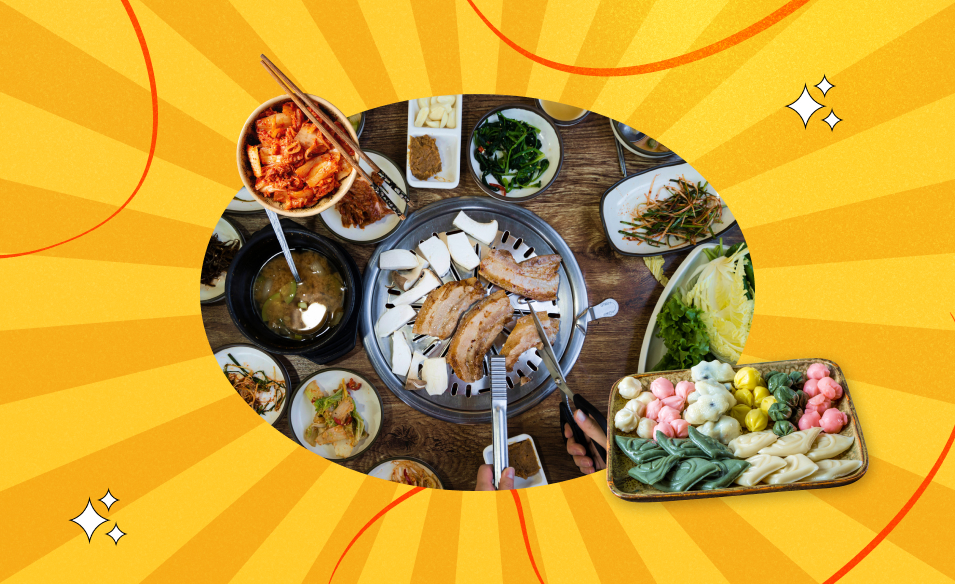
Table Of Content
- Are Korean Celebratory Foods Separate Than Normal Food?
- What Are Some Popular Korean Celebratory Foods?
- 1. Tteok Rice Cakes
- 2. Kimchi
- 3. Jeon Korean Pancakes
- 4. Samgyeopsal Grilled Pork Belly
- What Are Some Popular Korean Holidays and Occasions for Celebratory Foods?
- 1. Seollal
- 2. Chuseok
- What Are Some Regional Variations of Korean Celebratory Foods?
- What Is The Cultural Significance of Korean Celebratory Foods?
- The Korean Celebratory Foods Show The Rich Tradition Of Food in Korean Culture
- Frequently Asked Questions (FAQs)
Ah! My favorite topic! Here we go again, guys.
In my previous articles, I believe I have already mentioned that food carries deep meaning in Korean life. It brings people together. In fact, it marks the moments that matter most.
Just imagine: A table filled with traditional dishes. How amazing! It reflects gratitude and respect. It also shows a link between the past and the present.
Just like all Asians, Koreans rely on food to celebrate all their important events, such as:
- Births
- Weddings
- Holidays
- Family milestones
Each dish shares a story passed down through generations.
This guide explores the Korean Celebratory Foods that appear during special moments. It also explains why these foods hold cultural and emotional weight.
Many details come from trusted sources such as Korea dot net and the Korean Food Foundation, which document the traditions found in Korean homes.
By the end, you will understand the flavors, the symbols, and the history behind these foods.
Are Korean Celebratory Foods Separate Than Normal Food?
Korean celebratory foods are dishes that appear during holiday rituals and important family gatherings.
They are prepared with intention because each one represents something meaningful.
Some foods welcome new beginnings. Some offer protection or blessings. Others show gratitude during the harvest season.
Tteok is one of the most recognizable examples. These rice cakes appear at birthdays, weddings, and the Lunar New Year.
Their soft and smooth texture symbolizes purity and hope. Songpyeon, the half-moon-shaped rice cake prepared during Chuseok, reflects gratitude for the harvest.
Families often gather to shape the dough by hand. Many believe that if the rice cakes come out beautifully, the coming year will bring good fortune.
Kimchi also holds a permanent place on celebratory tables. It is more than a side dish.
It reflects the patient community and the wisdom of preserving seasonal ingredients.
The Korean Food Foundation notes that kimchi once served as a winter survival food. Today, it is a symbol of Korean identity.
Korean celebrations also include soups, braised dishes, and savory pancakes. Each dish carries a purpose connected to the holiday.
Trusted writers like Judy Joo and Lauryn Chun explain that these dishes are expressions of love and care that have shaped Korean culture for centuries.
What Are Some Popular Korean Celebratory Foods?
Celebratory foods in Korea appear with different textures, flavors, and colors. They balance comfort with meaning. They also reflect the Korean way of honoring relationships and seasons.
1. Tteok Rice Cakes

Tteok appears in nearly every major celebration. These rice cakes come in many styles and shapes. Some are steamed. Some are pounded until they become dense and chewy. Others contain sweet fillings like red bean paste or sesame seeds.
During Seollal, families eat tteokguk, which is a warm soup with thin rice cake slices.
Eating this soup symbolizes the start of a new year. At a baby’s first birthday celebration, families serve baekseolgi, which is a white steamed rice cake.
Its color represents protection and a clean path forward. During Chuseok, people enjoy songpyeon, which they prepare with freshly harvested rice as a way of thanking the land.
Korea dot net highlights that the act of making rice cakes brings families together.
It allows elders to pass down both skills and stories. Different regions in Korea even prepare tteok with unique flavors. Jeolla uses colorful layers while Gyeongsang prefers a simpler taste.
2. Kimchi

Kimchi may appear daily, but it becomes essential during holidays. It adds brightness to the table and brings balance to heavier dishes.
Have you ever tried making Kimchi? Well, I have. I have mentioned that the process of making kimchi is also a cherished ritual.
According to author Lauryn Chun, the process you use to make Kimchi is an act of care that strengthens family bonds.
Most homes use napa cabbage for celebratory kimchi. Some prepare radish kimchi for a stronger crunch.
Others make water kimchi, which carries a refreshing and mild taste. Kimchi represents transformation because it changes as it ferments. It also symbolizes health, which makes it fitting for celebrations.
Kimchi completes the table during Chuseok and Seollal. It offers freshness alongside rice cakes, braised meats, and savory dishes.
Judy Joo writes that kimchi is the heart of the Korean table because it ties tradition to everyday life.
3. Jeon Korean Pancakes

Jeon is a savory pancake. The Koreans generally enjoy it during gatherings. Additionally, they make it during traditional holidays. It is simple to prepare and easy to share.
This makes it a common choice when families gather to honor ancestors or celebrate the harvest.
There are many versions of jeon. Pajeon uses long scallions and turns crisp in the pan. Kimchi jeon brings a tangy and bold flavor.
Haemul jeon mixes seafood like squid and shrimp. Families prepare different types depending on the season and the ingredients available.
During Chuseok, jeon becomes one of the main dishes on the ritual table for charye which is the ancestral ceremony. The round shape of jeon symbolizes harmony. Many elders say that a holiday table without jeon feels incomplete.
4. Samgyeopsal Grilled Pork Belly

Samgyeopsal became a modern celebratory food in Korea. People enjoy it during birthday weekend gatherings and casual celebrations.
It brings friends and family together because it is cooked at the table.
Thick slices of pork belly are grilled until slightly crisp. Each bite is wrapped with lettuce, garlic, and ssamjang, which is a fermented sauce.
The cooking process encourages conversation and laughter. Many Koreans associate samgyeopsal nights with memorable moments.
Although it is not tied to historical rituals, it represents the modern style of Korean celebration.
Korea dot net and the program Kimchi Chronicles both highlight how samgyeopsal reflects today’s social dining culture in Korea.
What Are Some Popular Korean Holidays and Occasions for Celebratory Foods?
Korean celebrations follow a seasonal rhythm. Each holiday carries meaning shaped by nature and family traditions. Food plays a central role in these rituals.
1. Seollal
This one marks the Lunar New Year. Families travel great distances to reunite. They perform ancestral rites and eat tteokguk to welcome a fresh start. Braised short ribs, fruits, and jeon also appear on the table. These dishes represent purity, respect, and gratitude.
2. Chuseok
This is the harvest festival. Families give thanks for the year’s crops and visit the graves of ancestors.
Songpyeon is the most iconic Chuseok food. People fill the rice cakes with sesame seeds or red bean paste. They prepare jeon, fresh vegetables, and fruits as offerings.
Other occasions include doljanchi, which is a baby’s first birthday. Families place baekseolgi and fruits on the table to bless the child. Weddings include colorful tteok and dishes that represent abundance and a long life.
The Korean Food Foundation explains that these rituals strengthen the connection between people and their heritage. Food becomes a way to honor history.
What Are Some Regional Variations of Korean Celebratory Foods?
Korea’s landscape includes mountains, plains, and coastlines. These regions create distinct culinary traditions. Each area brings its own ingredients to holiday tables.
- The Jeolla region is known for generous portions and bold seasoning. Their food often includes seafood because the coastline is close. Their celebratory tables tend to include many side dishes.
- The Gyeongsang region prefers cleaner and slightly salty flavors. Families focus on simple broths and rice cakes that highlight the natural taste of the grains.
- Gangwon province uses many mountain vegetables. Their jeon often features wild greens. They also prepare potato-based dishes because potatoes grow well in the region.
These variations show that Korean celebrations honor local seasons and landscapes. The dishes tell the story of where families come from.
What Is The Cultural Significance of Korean Celebratory Foods?
Korean celebratory foods carry meaning beyond taste. They represent memories, history, and connection. The Korean Food Foundation often emphasizes that these foods help families honor ancestors, share gratitude, and create traditions.
Tteok symbolizes new beginnings. Kimchi represents resilience and transformation. Jeon stands for unity because everyone can share it easily. Even a simple bowl of soup brings a sense of comfort and warmth.
These foods also show respect for nature. Rice, vegetables, and seafood appear in many dishes because they reflect the land that sustains the people. Lauryn Chun notes that Korean cuisine carries a deep appreciation for seasons and local harvests.
Cooking also creates an emotional bridge across generations. Elders teach younger family members how to season kimchi or shape songpyeon. These moments become shared memories that preserve cultural identity.
The Korean Celebratory Foods Show The Rich Tradition Of Food in Korean Culture
You know what I love the most about Korean celebratory foods? They are full of emotion. Additionally, they symbolise tradition. In fact, each of them has a symbolic meaning.
They guide families through important moments. Also, they strengthen relationships.
Every dish represents a value. I have seen Korean people use food as a powerful message to express feelings, such as
- Gratitude
- Purity
- Harmony
From warm tteokguk to crisp jeon and fresh kimchi these foods connect people to their heritage.
You can bring these traditions into your own home. You can also explore trusted sources like The Kimchi Cookbook Korea dot net and Korean Food Made Simple for deeper understanding.
Celebration in Korea is not only about the event. It is about the people gathered around the table. It is about the stories shared, the memories created, and the values passed forward.
Frequently Asked Questions (FAQs)
Tteok kimchi jeon and samgyeopsal are common choices for holidays and gatherings.
Tteok is a rice cake used for many celebrations. It represents blessings, purity, and new beginnings.
Yes. Many dishes like tteok jeon and kimchi are simple to make with basic equipment.
Families enjoy tteokguk along with fruits, jeon, and braised meats.
Share This Article:


RELATED POST