



5 Korean Face Oils That You Need To Get Your Hands On This Winter

Table Of Content
- What Is Facial Oil?
- The Best Korean Face Oil You Need To Buy ASAP!
- 1. HARUHARU Wonder Black Rice Facial Oil
- What I Liked About HARUHARU Wonder Black Rice Facial Oil
- What I Hated About HARUHARU Wonder Black Rice Facial Oil
- 2. SeoulCeuticals Rice Bran Oil For Skin
- What I Liked About SeoulCeuticals Rice Bran Oil For Skin
- What I Hated About SeoulCeuticals Rice Bran Oil For Skin
- 3. 100% Organic Tsubaki Face Oil & Under-Eye Serum
- What I Liked About 100% Organic Tsubaki Face Oil & Under-Eye Serum
- What I Hated About 100% Organic Tsubaki Face Oil & Under-Eye Serum
- 4. Erborian Multi‑Perfecting Night Serum
- What I Liked About Erborian Multi‑Perfecting Night Serum
- What I Hated About Erborian Multi‑Perfecting Night Serum
- 5. Pyunkang Yul PKY Facial Oil
- What I Liked About Pyunkang Yul PKY Facial Oil
- What I Hated About Pyunkang Yul PKY Facial Oil
- Korean Facial Oil Vs Korean Cleansing Oil: How Are They Different?
- Korean Cleansing Oils
- Korean Facial Oils
- Quick Comparison for Easy Understanding
- Are Korean Facial Oils Worth The Buy?
- Why I Personally Think They’re Worth It
- Who Should Use Korean Facial Oils?
- Who Might Want to Skip Or Use Sparingly?
When it comes to skincare or building a skincare routine, most people often believe that more is more. We want to exfoliate daily, layer strong actives, chase instant glow, and somehow expect our skin to keep up. I’ve been there — chemical peels on Monday, retinol on Tuesday, and wondering by Friday why my skin suddenly hates me.
But when it comes to Korean skincare, the philosophy is refreshingly different. While the rest of the world often says, “Let’s fix this fast,” Korean skincare gently reminds us, “Why not protect and prevent in the first place?”
That mindset shift is what truly made me fall in love with K-beauty.
One product category I’ve come to deeply appreciate over the years is facial oils. I know — oils still scare people, especially if you’re acne-prone or oily. I used to think the same.
Korean facial oils? They’re not like those heavy, greasy oils we’re used to. These are light, help your skin, and play nice with it instead of taking over.
I’ve been using facial oils for ages, mostly in winter. They’re my secret weapon against dry, dull skin and that tight, weird feeling you get in cold weather.
So, after all this time, I’ve made a list that should fit right into your cold-weather skincare routine!
Here are five Korean facial oils I think are worth the money!
What Is Facial Oil?
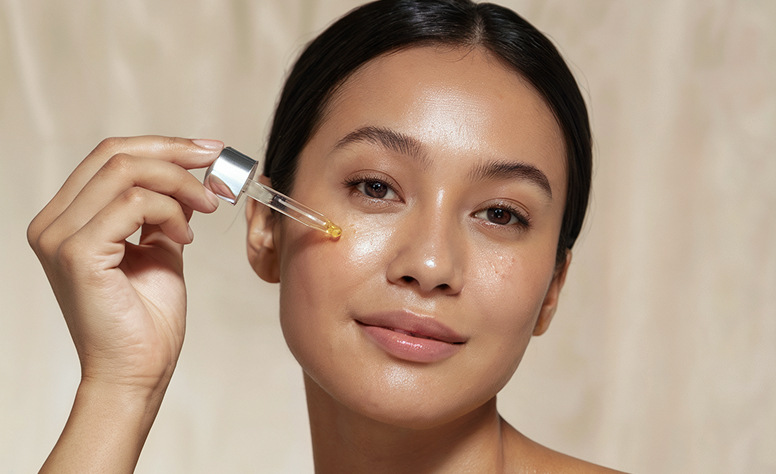
Before we get to the part where you find out about the Korean facial oil that suits your skin’s needs, you need to have a clear understanding of what a facial oil is!
A facial oil is like a super-concentrated mix of plant oils that feeds your skin, keeps it moist, and strengthens its protective barrier.
Most moisturizers use water and oil, but facial oils are mostly oil. Use them after your watery products.
In Korean skincare, facial oils aren’t supposed to make you oily. They’re for:
- Keeping skin moist by stopping water loss.
- Helping your skin barrier.
- Giving you antioxidants and fatty acids.
- Providing long-lasting moisture, particularly when it’s cold.
And guess what? Even if you have oily or acne-prone skin, you can still get something good out of facial oils if you use them right.
The Best Korean Face Oil You Need To Buy ASAP!
Wondering which facial oil will work the best on your skin? Well, I have you covered! Here are some of the best Korean facial oils that work wonders and should totally be on your shopping list:
1. HARUHARU Wonder Black Rice Facial Oil

The first one on the list is my personal favorite Korean facial oil from HARUHARU. This oil is one of those products that quietly becomes a staple.
The star ingredient, fermented black rice oil, is rich in antioxidants and amino acids, which help protect the skin from environmental stressors. And that’s something my winter skin desperately needs.
What I personally love is how lightweight yet comforting this oil feels. It sinks in beautifully and doesn’t sit on top of the skin like a greasy layer. Many customer reviews echo the same sentiment — people with sensitive skin appreciate that it doesn’t sting or cause irritation.
I like using this at night after my serum, especially when my skin feels tight or compromised. By morning, my skin looks noticeably calmer and more supple.
What I Liked About HARUHARU Wonder Black Rice Facial Oil
- Lightweight texture that absorbs quickly.
- Works well even for combination skin.
- Packed with antioxidants without feeling heavy.
- Fragrance-free and gentle.
What I Hated About HARUHARU Wonder Black Rice Facial Oil
- Dropper can dispense too much product.
- Might feel too light for extremely dry skin.
- Results are subtle, not instant.
- Price is slightly higher for the quantity.
2. SeoulCeuticals Rice Bran Oil For Skin

Secondly, you need to try the Korean facial oil from SeoulCuticals. Rice bran oil is a quiet hero in Korean skincare, and this product keeps things refreshingly simple.
There are no fancy blends here — just pure, cold-pressed rice bran oil, which makes it a favorite among ingredient-conscious users.
I personally enjoy this oil when my skin is going through a dry phase or feels over-exfoliated. Customer reviews frequently mention improved softness and glow with consistent use. It does feel slightly heavier than some K-beauty oils, but that’s not a bad thing during winter.
Besides, I also appreciate its versatility — many users apply it not just to the face but also to cuticles and dry patches.
What I Liked About SeoulCeuticals Rice Bran Oil For Skin
- Minimal, single-ingredient formula.
- Deeply nourishing for dry skin.
- Affordable for the quantity.
- No artificial fragrance.
What I Hated About SeoulCeuticals Rice Bran Oil For Skin
- Texture may feel heavy for oily skin.
- No dropper control for precise use.
- Takes longer to absorb.
- Not ideal under makeup.
3. 100% Organic Tsubaki Face Oil & Under-Eye Serum

Third, Tsubaki oil has been a beauty secret in Korea and Japan for ages, and for good reason. It’s awesome—rich and silky, it seriously feeds your skin without feeling heavy or greasy.
What got me (and tons of reviewers, too) is how well it works around the eyes. Just a tiny drop, which lasts forever, is perfect for dry under-eye skin when it’s cold out.
Plus, it’s super helpful at night or when you’re giving yourself a facial massage. If your skin is really dry and needs to bounce back, this oil is what you want.
What I Liked About 100% Organic Tsubaki Face Oil & Under-Eye Serum
- Extremely nourishing for dry skin.
- Works well as an eye oil.
- High-quality organic ingredient.
- Improves skin softness noticeably.
What I Hated About 100% Organic Tsubaki Face Oil & Under-Eye Serum
- Too rich for oily skin.
- Can feel heavy during the daytime.
- The bottle lacks pump control.
- Higher price point.
4. Erborian Multi‑Perfecting Night Serum

Okay, so next up is the Erborian facial oil. It’s basically a mix of oil and serum, which is great if you don’t really like straight-up oils. It feels like satin, doesn’t make your skin greasy, and gives it a nice, fancy feel.
Before buying this Korean facial oil, I came across a lot of customer reviews. Most of them (if not all) who’ve bought it say their skin looks smoother and brighter in the morning – and I’ve noticed that too after using it for a while.
If you’re feeling lazy but still want good results, this is perfect because you can skip piling on a bunch of different products. I have officially made it a part of my “lazy skincare night” routine!
What I Liked About Erborian Multi‑Perfecting Night Serum
- Elegant, non-greasy texture
- Great for combination skin
- Improves skin smoothness
- Absorbs quickly
What I Hated About Erborian Multi‑Perfecting Night Serum
- Contains fragrance
- Pricey for the size
- Not rich enough for very dry skin
- Results take time
5. Pyunkang Yul PKY Facial Oil

Finally, on the list of the best Korean face oils, we have the Pyunkang Yul facial oil. The brand is known for making products that calm skin. And trust me, their oil is no different. It’s gentle, simple, and works great if your skin is damaged or sensitive.
Lots of people with acne who are searching for new things say this brand has worked wonders for them. And, I think, that is simply awesome.
Personally, I use this oil all the time when I mess up my skin’s barrier, when it’s at its worst, or when it’s irritated. And I have always gotten the results that I am looking for.
What I Liked About Pyunkang Yul PKY Facial Oil
- Gentle and non-irritating
- Suitable for acne-prone skin
- Minimal ingredient list
- Lightweight finish
What I Hated About Pyunkang Yul PKY Facial Oil
- Not very nourishing for extreme dryness.
- Slight herbal scent.
- Small bottle size.
- Subtle results.
Korean Facial Oil Vs Korean Cleansing Oil: How Are They Different?

Trust me when I say that this is one of the most common points of confusion I see. And honestly, I had the same question when I first got into Korean skincare.
Both products have the word “oil” in them, both feel slippery on the skin, and both are often plant-based. But beyond that, they serve completely different purposes in your routine. Let me break down the difference between these two:
Korean Cleansing Oils
Cleansing oils are designed for cleansing, not treatment. Their main job is to dissolve:
- Sunscreen.
- Makeup.
- Excess sebum.
- Pollution and dirt.
Korean cleansing oils work on the principle of “like dissolves like.” This essentially means oil breaks down oil-based impurities far more effectively than water-based cleansers. Which is why they are the first step in the famous Korean double-cleansing routine.
Once you massage a cleansing oil onto dry skin and add water, it emulsifies and turns milky, allowing it to rinse off cleanly without leaving residue. After that, you always follow up with a water-based cleanser.
Basically, cleansing oils are:
- Used only during cleansing.
- Washed off completely.
- Not meant to stay on the skin.
- Not designed to nourish or repair long-term.
Korean Facial Oils
Facial oils, on the other hand, are leave-on treatment products. Their purpose is to seal in moisture, strengthen the skin barrier, and deliver nourishing fatty acids and antioxidants.
Korean facial oils are usually lighter than traditional oils and are carefully formulated to:
- Mimic the skin’s natural lipids.
- Reduce moisture loss (especially in winter).
- Calm, stressed, or over-exfoliated skin.
- Add softness and glow without clogging pores.
You use facial oils after hydrating steps like toner and serum, either as the final step or mixed into your moisturizer.
Quick Comparison for Easy Understanding
- Cleansing Oil: Cleans → Rinses off → First step
- Facial Oil: Treats → Stays on → Last step
Once I understood this difference, my routine finally made sense — and my skin improved because I was using each product the way it was intended.
Are Korean Facial Oils Worth The Buy?
In my opinion, yes — but only if you use them correctly and choose the right one for your skin type.
Korean facial oils aren’t about instant, dramatic results. They focus on long-term skin health, which is very much in line with Korean skincare’s prevention-first philosophy.
If your skin struggles with dryness, tightness, dullness, or seasonal sensitivity, facial oils can make a noticeable difference over time.
Why I Personally Think They’re Worth It
What I love about Korean facial oils is how thoughtfully formulated they are. Instead of thick, pore-clogging blends, most Korean oils use:
- Lightweight plant oils (like jojoba, rice bran, camellia).
- Skin-identical lipids.
- Minimal ingredient lists.
This makes them more beginner-friendly, even for people who think oils aren’t for them.
During winter, I notice that my skin holds hydration longer, looks calmer, and feels less reactive when I use a facial oil consistently. It’s not about glow overnight — it’s about skin that feels comfortable and balanced.
Who Should Use Korean Facial Oils?
Korean facial oils are especially worth considering if you:
- Have dry or dehydrated skin
- Live in a cold or dry climate
- Use actives like retinol or acids
- Experience tightness after cleansing
- Want to strengthen your skin barrier
Even oily or acne-prone skin types can benefit — the key is using 1–2 drops max and choosing non-comedogenic oils.
Who Might Want to Skip Or Use Sparingly?
That said, facial oils aren’t mandatory. You might not love them if:
- Your skin is extremely oily in humid climates
- You prefer very lightweight gel routines
- You’re not consistent with skincare
If you view Korean facial oils as a supporting step rather than a miracle product, they’re absolutely worth the buy. And if you use these mindfully, they can be the difference between skin that simply survives winter and skin that actually thrives through it.
Share This Article:


RELATED POST