


Top 10 Korean Street Foods To Try In India (+Where To Find Them)

Table Of Content
- Why Korean Street Food Is Becoming Popular In India?
- What Are The Top 10 Korean Street Foods You Must Try?
- 1. Tteokbokki – The Spicy Rice Cake Classic
- 2. Odeng/Eomuk – Fish Cake Skewers in Broth
- 3. Dakgangjeong – Sweet Crispy Chicken
- 4. Hotteok – Syrupy Pancakes with a Crunch
- 5. Bungeoppang – Fish-shaped Pastry
- 6. Gyeran-ppang – Egg Bread Muffin
- 7. Kimbap – The Korean Sushi Roll
- 8. So-tteok-so-tteok – Sausage and Rice Cake Skewers
- 9. Gochujang – The Flavor Base of Korean Street Food
- 10. Beondegi – Silkworm Pupae
- Why Are Korean Street Foods So Famous In India?
- Familiar Textures
- Shared Spice Culture
- Youth Appeal
- Cultural Curiosity
I love Korean food. Well, I suppose that’s not a secret to you anymore. But do you know something?
My first introduction to Korean food wasn’t on the streets of Seoul.
But, it happened through the rising wave of K-dramas and YouTube food vlogs.
Watching characters slurp down spicy tteokbokki or savor a steaming cup of odeng instantly sparked my curiosity.
That curiosity led me to explore Korean restaurants here in India, from Delhi’s Majnu Ka Tila to bakeries in Kolkata.
What I realized is that Korean street food is not just trendy. It’s flavorful, comforting, and surprisingly relatable to Indian tastes.
Today, Korean food is steadily making its way into Indian kitchens, restaurants, and even home deliveries. Let’s explore ten must-try Korean street foods and where you can enjoy them across India.
Why Korean Street Food Is Becoming Popular In India?

The popularity of Korean culture has spread through
- K-pop
- K-dramas
- Films.
So, we can say that it has directly influenced food trends.
According to the Times of India, Google searches for Korean recipes in India saw a steep rise in the last five years as more people became curious about what their favorite idols and actors were eating on-screen.
But beyond pop culture, the food itself resonates with Indian taste buds:
Spicy & Sweet Balance – Gochujang-based dishes like tteokbokki mirror India’s love for fiery yet sweet flavors.
Street Food Culture – India already thrives on street food, making Korean snacks a natural extension.
Accessible Ingredients – Items like rice, eggs, chicken, and even seaweed are easier to find now in metro supermarkets and online stores.
What Are The Top 10 Korean Street Foods You Must Try?
1. Tteokbokki – The Spicy Rice Cake Classic

This dish combines chewy rice cakes with a gochujang-based sauce that’s sweet, spicy, and savory.
According to Bon Appétit, it is described as “supremely satisfying and comforting.”
In India, restaurants like Seoul Station in Delhi and King’s Bakery in Kolkata serve versions that balance authentic spice with local adaptation.
2. Odeng/Eomuk – Fish Cake Skewers in Broth

Served on sticks and dunked in light broth, odeng is a winter essential in Korea.
In India, it’s mostly found in Korean cafés catering to students and expats, especially in areas like Delhi’s Majnu Ka Tila.
Its mild flavor makes it a good introduction for first-time Korean food explorers.
3. Dakgangjeong – Sweet Crispy Chicken

This version of fried chicken is double-fried for crunch and coated in a sticky glaze of soy, garlic, and chili.
Street stalls in Korea serve it in paper cups, and in India, you’ll often find it on the menus of Korean BBQ restaurants in Bengaluru and Delhi.
4. Hotteok – Syrupy Pancakes with a Crunch

Hotteok is a pancake filled with molten brown sugar, crushed nuts, and cinnamon.
The Times of India highlights it as one of the Korean desserts making waves in India.
In colder months, it feels like the Korean version of jalebi-meets-pancake:
- Crispy outside
- Gooey inside
5. Bungeoppang – Fish-shaped Pastry

This fun-shaped pastry is crisp outside with a soft filling, usually red bean, though Nutella and custard versions are becoming common.
In India, it’s popular at bakeries run by Korean expats. Its appeal is universal because it looks playful but tastes comforting.
6. Gyeran-ppang – Egg Bread Muffin

A soft, warm bread with a whole egg on top, sprinkled with herbs. In Korea, it’s a winter staple, and in India, it shows up in niche cafés.
Its balance of protein and carbs makes it ideal for a quick snack, much like India’s bun-maska.
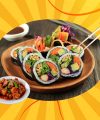
7. Kimbap – The Korean Sushi Roll

Often mistaken for sushi, kimbap uses sesame oil and a variety of fillings like spinach, carrots, radish, and beef or egg.
It’s portable and healthy, which is why it appeals to Indian students looking for filling yet light meals.
8. So-tteok-so-tteok – Sausage and Rice Cake Skewers

This quirky dish alternates sausage pieces with rice cakes, brushed with mustard or gochujang.
Originally popularized at highway rest stops in Korea, it’s now served at several Indian Korean cafés targeting younger audiences.
9. Gochujang – The Flavor Base of Korean Street Food

This fermented red chili paste is the backbone of Korean cooking. From tteokbokki to bibimbap, gochujang adds heat, sweetness, and umami.
In India, demand for gochujang has grown so much that it’s now available in supermarkets like Spencer’s and online platforms like Amazon India.
10. Beondegi – Silkworm Pupae

Perhaps the most adventurous Korean street food, beondegi, is boiled or steamed silkworm pupae served in cups.
While rare in India, it occasionally appears at cultural festivals or specialty Korean restaurants catering to expat communities.
Why Are Korean Street Foods So Famous In India?

Familiar Textures
Food often stirs the deepest of memories and comforts, and in India, we have a love affair with certain textures that resonate in our culinary landscape.
Pancakes, with their soft, fluffy layers, evoke a sense of warmth and indulgence.
Fried chicken, crispy on the outside and succulent within, brings to mind gatherings and celebrations.
Skewers, whether they are grilled or sautéed, remind us of street stalls bursting with flavors.
These beloved dishes have already carved a niche in the Indian palate, making the introduction of similar textures from Korean cuisine somewhat natural and enjoyable.
Shared Spice Culture
A key element that ties Indian and Korean cuisines together is the love for bold and fiery flavors.
Indian food is known for its dynamic use of spices, and dishes like tteokbokki, with their spicy sauce and chewy texture, can easily fit into the Indian taste profile.
The kick of spice is an essential experience for many Indians, making Korean dishes not only appealing but also relatable.
The emphasis on heat and flavor in Korean cuisine offers an exciting twist that resonates well with those who thrive on spice.
Youth Appeal
The youth in India are always on the lookout for new experiences, and food is no exception.
The rise of K-pop and Korean dramas has created a vibrant cultural wave, fueling interest in Korean cuisine among younger audiences.
Social media platforms are awash with food trends, and the allure of trying the latest Korean dish is captivating.
From K-drama-inspired recipes to pop-up food stalls serving authentic Korean delicacies, young people are eager to explore and share their culinary adventures and Korean food is at the forefront.
Cultural Curiosity
Indian food lovers are no different, as they often see exploring new cuisines as a gateway to understanding other cultures.
Trying Korean food is not just about savoring new dishes; it’s an opportunity to connect with the global pop culture that has taken the world by storm.
The vibrant colors, unique ingredients, and distinct preparation methods of Korean food invite culinary exploration.
For many Indians, diving into Korean flavors is a delightful way to expand their horizons while also engaging with an exciting cultural phenomenon that goes beyond just food.
MORE TO EXPLORE…
Share This Article:


RELATED POST