
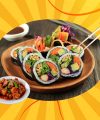


The Ultimate Guide To Korean Fish Cakes

Table Of Content
- Why Should You Follow This Guide To Make Korean Fish Cakes?
- What Are Korean Fish Cakes?
- What Are The Different Types of Korean Fish Cakes
- 1. Flat Sheets (Pyeon eomuk)
- 2. Skewered Fish Cakes (Odeng guk)
- 3. Stuffed Fish Cakes
- 4. Ball-Shaped Fish Cakes
- 5. Premium Artisanal Fish Cakes
- How Can You Make Traditional Korean Fish Cakes At Home?
- What Are The Top 5 Tasty Recipes You Can Use The Korean Fish Cakes In?
- 1. Eomuk Bokkeum (Stir-Fried Fish Cakes)
- 2. Eomuk Tang (Fish Cake Soup)
- 3. Tteokbokki Add-In
- 4. Hotpots and Stews
- Do The Korean Fish Cakes Have Any Nutritional Value?
- Why Korean Fish Cakes Appeal Globally?
- How To Make Korean Fish Cakes At Home Explained
Hello, my dear Hallyu peeps! Have you ever tried Fish Cakes? I love them!
I first had these. The chewy, savory strips in a bowl of Ttoekbokki. They soaked up the spicy sauce so well that I immediately understood why Koreans love this ingredient in so many dishes.
Since then, I’ve noticed how often Eomuk appears across Korean cuisine.
You can find them from street food skewers simmering in broth to stir-fries and side dishes at home.
Korean Fish cakes might seem simple, but in Korea, they carry history, regional variety, and culinary importance.
According to the Korea JoongAng Daily, fish cakes became widespread in Busan in the 1960s, thanks to its coastal access and thriving seafood industry.
Today, Busan is still regarded as the heart of Korea’s fish cake culture, with specialized shops selling freshly made varieties.
This guide breaks down everything you need to know about Korean fish cakes their origins, how they’re made,
how to cook with them, and why they’ve become a staple in both street food and home kitchens.
Why Should You Follow This Guide To Make Korean Fish Cakes?

When researching Korean fish cakes, I noticed many recipes online reduce them to just “processed fish patties.”
Together, these references ensure the information here is culturally accurate, historically informed, and practically useful.
But to really appreciate them, you need cultural, culinary, and practical context. This guide works because:
1. According to The Korea Herald, fish cakes were originally inspired by Japanese kamaboko.
This happened during the colonial era but evolved into a distinctly Korean street food after the Korean War.
2. According to Hyosun Ro of Korean Bapsang, authentic fish cakes are typically made with white fish (pollock or cod), starch, sugar, salt, and sometimes vegetables like carrots and onions for texture.
Many packaged versions in Korea now use surimi (processed fish paste), which keeps them affordable while retaining their chewy bite.
3. According to Maangchi, you can make three types of fish cakes, such as:
- Stir-fried (eomuk bokkeum)
- Simmered in broth (eomuk tang)
- Simply skewered as a street snack
I have been following her tested approaches for quite some time now. Seriously, guys, she ensures beginners can cook with confidence.
4. You can also use branded and packaged fish cakes. There are Busan-based brands like Samjin Amook, which are quite recognized.
According to Yonhap News, a popular Korean media, this brand is a pioneer in premium fish cake making. It offers you varieties stuffed with:
- Cheese
- Vegetables
- Spicy fillings
5. As reported by The Korea Times, Korean ingredients like frozen fish cakes are now widely available in international markets, including India, the U.S., and Europe.
What Are Korean Fish Cakes?

Korean fish cakes (eomuk or odeng) are processed seafood products made by grinding white fish with starch, seasonings, and sometimes vegetables.
The mixture is shaped into sheets, balls, or logs, then steamed, fried, or boiled.
They are versatile, inexpensive, and packed with umami, making them the backbone of Korean comfort food.
What Are The Different Types of Korean Fish Cakes
1. Flat Sheets (Pyeon eomuk)
The most common form, often cut into strips and stir-fried with soy sauce and vegetables.
2. Skewered Fish Cakes (Odeng guk)
Street stalls across Korea serve these simmered in a light broth made from kelp and anchovies, especially in winter.
3. Stuffed Fish Cakes
Busan’s specialty filled with cheese, sausage, or vegetables, and popular as modern snacks.
4. Ball-Shaped Fish Cakes
Often used in soups and hotpots; they add a chewy, bouncy texture.
5. Premium Artisanal Fish Cakes
Available in specialty shops like Samjin Amook, featuring innovative flavors that reflect Korea’s evolving food culture.
How Can You Make Traditional Korean Fish Cakes At Home?
Busan factories, such as Samjin Amook, still employ time-tested methods alongside modern machinery to produce consistent textures for mass consumption.
1. Firstly, you need to wash and fillet white fish.
2. Secondly, you need to grind it into a paste (surimi).
3. Then, you have to mix it with starch, sugar, salt, and sometimes egg whites or vegetables.
4. After that, you must shape into the desired forms.
5. Finally, you can cook them however you like. Most people cook them by:
- Steaming
- Frying
- Boiling
What Are The Top 5 Tasty Recipes You Can Use The Korean Fish Cakes In?
1. Eomuk Bokkeum (Stir-Fried Fish Cakes)

These are thin strips of vegetables, often sautéed in soy sauce, garlic, and a touch of sesame oil.
They’re a beloved banchan, or side dish, that you’ll often find gracing tables in Korean homes.
Simple yet bursting with flavor, they add a delightful crunch and a savory touch to any meal.
2. Eomuk Tang (Fish Cake Soup)

Fish cakes are often skewered and gently simmered in a flavorful broth, creating a warm and comforting dish.
They’re typically served with a variety of dipping sauces that enhance their taste.
This delightful street food is a beloved staple during the cold winter months in Korea, perfect for warming up while braving the chilly weather.
3. Tteokbokki Add-In

Sliced fish cakes bring a delightful texture and a boost of protein to Korea’s beloved spicy rice cakes.
They add an extra layer of flavor and heartiness that makes this dish even more satisfying.
4. Hotpots and Stews
Fish cakes add a delightful burst of umami to dishes like budae jjigae (army stew) and seafood hotpots.
This really enhances their flavors. Also, I like how it makes them even more comforting and satisfying.
Do The Korean Fish Cakes Have Any Nutritional Value?

Of course! I bet you didn’t know this, but fish cakes are a source of protein and omega-3s.
However, they can also contain added sodium and starch. This can be a no-no for a lot of people.
But there are health-conscious brands in Korea now. They offer reduced-sodium and baked versions.
This hugely reflects the growing demand for healthier street foods. I am not aware of such brands being available in India, but soon, I hope!
Why Korean Fish Cakes Appeal Globally?

The Korean fish cakes have a large fandom, which includes a huge number of international cooks.
They really like this one because it combines three very useful features, such as:
- Affordability
- Versatility
- Comfort
Additionally, Indians also like it because it reminds them of Indian pakoras or Japanese tempura.
One of the main reasons to love this is that they deliver quick satisfaction.
You can now find frozen eomuk packs on Amazon and in Korean grocery stores in major Indian cities like Delhi, Mumbai, and Bangalore.
This makes it easy to try authentic eomuk at home.
How To Make Korean Fish Cakes At Home Explained
Korean fish cakes may seem humble, but they carry decades of cultural and culinary evolution.
From Busan’s specialty shops to Seoul’s bustling street stalls, they’ve become one of Korea’s most beloved everyday foods.
As Hyosun Ro of Korean Bapsang puts it, “Fish cakes are comfort food at its best, simple, versatile, and always satisfying.”
By understanding their history, varieties, and cooking methods, you can bring the warmth of Korean street food into your own kitchen.
Share This Article:


RELATED POST