


Easiest Guide To Making The Best Korean-Style Pakora At Home!

Table Of Content
- Ingredients For The Korean-Style Pakora Recipe
- Base Pakora Ingredients
- Korean Flavor Boosters
- Vegetables
- Optional Additions
- Vegetables
- Proteins
- Flavor Enhancers
- Korean-Style Pakora Recipe: Step-by-Step Instructions For Making Fusion Pakora
- Preparing the Ingredients
- Frying the Pakora
- Serving Suggestions
- Common Mistakes To Avoid In The Korean-Style Pakora Recipe
- Why Korean-Style Pakora Works So Well
I tried the Korean-Style pakora recipe for my recent house party, and everyone loved it. They couldn’t stop asking for more!
Pakoras are one of the most beloved comfort snacks in the Indian cuisine, and they are simply yummy when served with a warm mug of ‘chai’ when they are crispy outside and soft in the middle.
Korean-Style Pakora is an innovative reinvention of a classic comfort food, combining Indian methods of frying to perfection with Korean ingredients and flavors of gochujang, kimchi, and sesame oil.
This Korean Snack Recipe combines crunch, heat, tang, and umami flavors into a fusion experience of a pakora that is so exciting yet so comforting—it is right on point with our contemporary obsession with Korean-style dishes.
If you like trying new things in the kitchen but hate complicated recipes, then this one is for you.
Ingredients For The Korean-Style Pakora Recipe
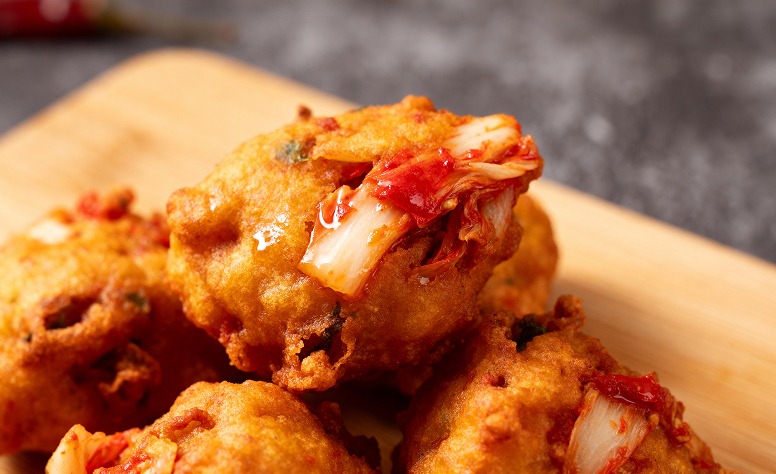
The beauty of this recipe is that most ingredients are pantry-friendly, with just a few Korean additions that elevate the flavor.
Base Pakora Ingredients
- Gram flour (besan): 1 cup
- Rice flour: 2 tablespoons (for extra crispiness)
- Salt: to taste
- Red chili powder: ½ teaspoon
- Turmeric powder: a pinch
- Baking soda: a small pinch (optional)
Korean Flavor Boosters
- Gochujang (Korean chili paste): 1 to 1½ tablespoons
- Kimchi, finely chopped: ½ cup
- Sesame oil: 1 teaspoon
- Garlic, minced: 1 teaspoon
Vegetables
- Onion (thinly sliced)
- Carrot (julienned)
- Spring onions
This combination forms the heart of a flavorful kimchi pakora batter. If you can’t find gochujang, you can substitute it with a mix of red chili paste and a little soy sauce, though the authentic depth of Korean chili paste is hard to beat.
Optional Additions
This is where you can personalize your pakoras based on what you love or have at home.
Vegetables
- Napa cabbage (instead of regular cabbage)
- Zucchini or mushrooms for extra moisture and umami
Proteins
- Firm tofu, cubed or crumbled (great for a vegetarian Korean tofu recipe vibe)
- Shrimp, cleaned and deveined (perfect for crispy shrimp pakora)
Flavor Enhancers
- Gochugaru (Korean chili flakes) for extra heat
Korean-Style Pakora Recipe: Step-by-Step Instructions For Making Fusion Pakora
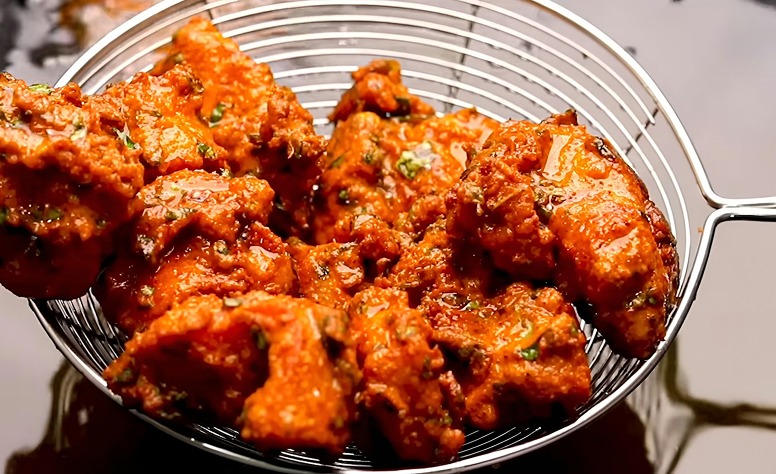
Indian and Korean cuisines both prioritize bold, spicy, and umami-rich profiles. Ingredients common in both—like chilies, garlic, ginger, and rice—make Korean-style pakoras feel “instantly familiar” yet excitingly different.
So, here’s the step-by-step guide to making the best Korean-style pakora recipe at home:
Preparing the Ingredients
Before cooking in oil, make sure that everything is prepared, as it will lead to a more efficient cooking process.
- Vegetables can be cut into thin slices to make them cook faster plus they won’t let out too much water. It is an essential step to take when you are going to make pakora recipes and chop onions and cabbage.
- In case your kimchi is very wet, you can try squeezing out the excess liquid. After that, try to chop it as finely as possible.
- Take a big bowl and combine gram flour, rice flour, salt, turmeric, and chili powder.
- Put gochujang, sesame oil, garlic, and chopped kimchi in the bowl.
- Start adding water slowly while mixing the pakora batter. The batter should be thick enough to really coat the vegetables well and not drip.
Personal tip: I avoid using a whisk—using fingers or a spoon prevents over-mixing and keeps pakoras light.
Frying the Pakora
Frying is where most pakoras fail or shine.
- Heat oil in a deep pan over medium heat.
- To test oil temperature, drop a tiny bit of batter—if it rises steadily without browning too fast, the oil is ready.
- Gently drop spoonfuls of batter into the oil. Don’t overcrowd the pan.
- Fry until golden brown, turning occasionally.
Crispy Pakora Frying Tips

• Oil too hot = pakoras brown outside, raw inside

• Oil too cold = oily, soggy pakoras

• Fry in batches for even cooking
Following these steps ensures you fry pakora perfectly—crisp, airy, and flavorful.
Serving Suggestions
Korean-style pakoras truly shine when paired with the right dip.
Best Dipping Sauces

• Spicy Mayo (mayonnaise + gochujang + lemon juice)

• Soy-Sesame Dip (soy sauce, sesame oil, honey, vinegar)

• Kimchi Aioli (blended kimchi + mayo)
These pakora dipping sauces enhance the fusion experience and balance the spice beautifully. Serve hot and crunchy, ideally with iced barley tea or even a cold cola for contrast.
Common Mistakes To Avoid In The Korean-Style Pakora Recipe
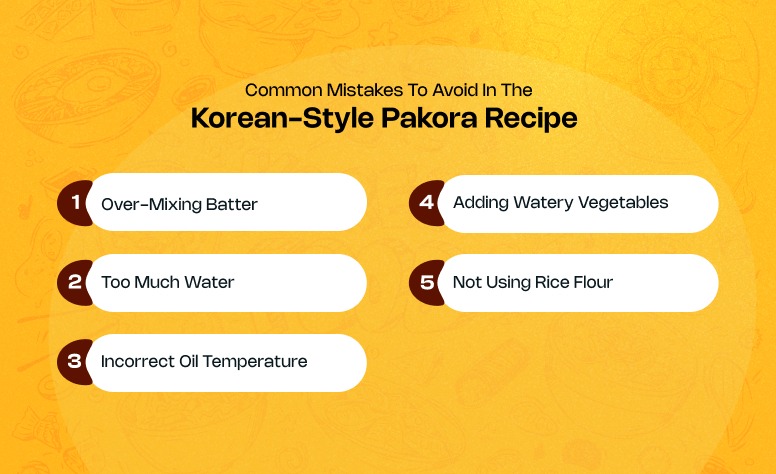
Even experienced cooks slip up! So, if you want to make the Korean-style pakora at home, here’s how to avoid classic pakora mistakes:
1. Over-Mixing Batter: Mixing too much will develop more gluten in the besan and thus, your pakoras will be very hard. Mix enough to get the ingredients combined, but do not overmix.
2. Too Much Water: Because if the batter is too liquid, the pakoras might become flat and greasy. In this case, you should mix a spoonful of gram flour with the batter to fix it.
3. Incorrect Oil Temperature: This is probably the most common problem. The oil must be checked before frying. Fixing pakora errors frequently starts with oil handling.
4. Adding Watery Vegetables – When tomatoes or cucumbers are sliced, they give out water. They will destroy the texture of the salad. Vegetables should be quite
5. Not Using Rice Flour: Usually, rice flour is not a traditional ingredient. Nonetheless, it is a must in this particular recipe for the crunchy effect, so remember to use it!
Why Korean-Style Pakora Works So Well
The Korean-style pakora recipe works because both cuisines value bold flavors and textures.
Indian-style pakoras add crunch and warmth, while Korean ingredients provide an element of fermentation, spiciness, and umami. It is a comfort food with an international twist.
Pakoras have always been my go-to snack, and if your love for them and Korean cuisine matches mine, this recipe is definitely for you. You can prepare it in no time, it’s classy enough to serve to guests, and you can make it just the way you like it.
Once you’ve been able to make Korean-style pakoras at home, you may end up feeling that the standard, regular, old-fashioned pakora is dull and uninteresting in comparison.
Share This Article:


RELATED POST